by
What Do Rodents Eat?
Rodents are mammals of the Order Rodentia, which is the largest order of mammals in the world, comprising more than 2000 different species.
In the UK, there are several species of wild rodents, of which the three main types that are classed as pests are rats, mice and squirrels.
As an experienced pest control provider covering Wilmslow, Macclesfield, Stockport, Congleton, Cheshire and the surrounding area, Pest In Peace knows that most people don’t know what rodents eat, and could inadvertently be attracting rodents to their gardens.
Once in an area, rodents will start looking for shelter and may enter your home, where they can spread diseases and bacteria, as well as causing significant structural damage.
To help, we’ve put together this guide to rodent diets and how to avoid accidentally tempting these destructive pests into your space.
Rodent Diets Explained
The main three pest species found in the UK are omnivores, and will eat fruit, vegetables, berries, plants, nuts, seeds, meat, insects and more. While fresh, natural food is easier for them to come by in the wild, they will also eat processed foods, such as crackers, sweet foods, bacon, crisps, chocolate, and other snacks. Some other rodents, such as chinchillas, guinea pigs, beavers and capybaras, are herbivores and only eat plants, but in the UK, these species are usually found as pets, in captivity or, in the case of beavers, occasionally in the wild but without causing issues for humans.
All rodents have front teeth that never stop growing, so they often chew on solid materials inside buildings, such as wooden beams, furniture and door frames. However, rodents don’t consume wood, metal, plastic and other materials; they just use them to keep their teeth at a reasonable size.
Keep reading to understand the diets of rats, mice and squirrels and what foods attract these common rodent pests.
What Do Rats Eat?
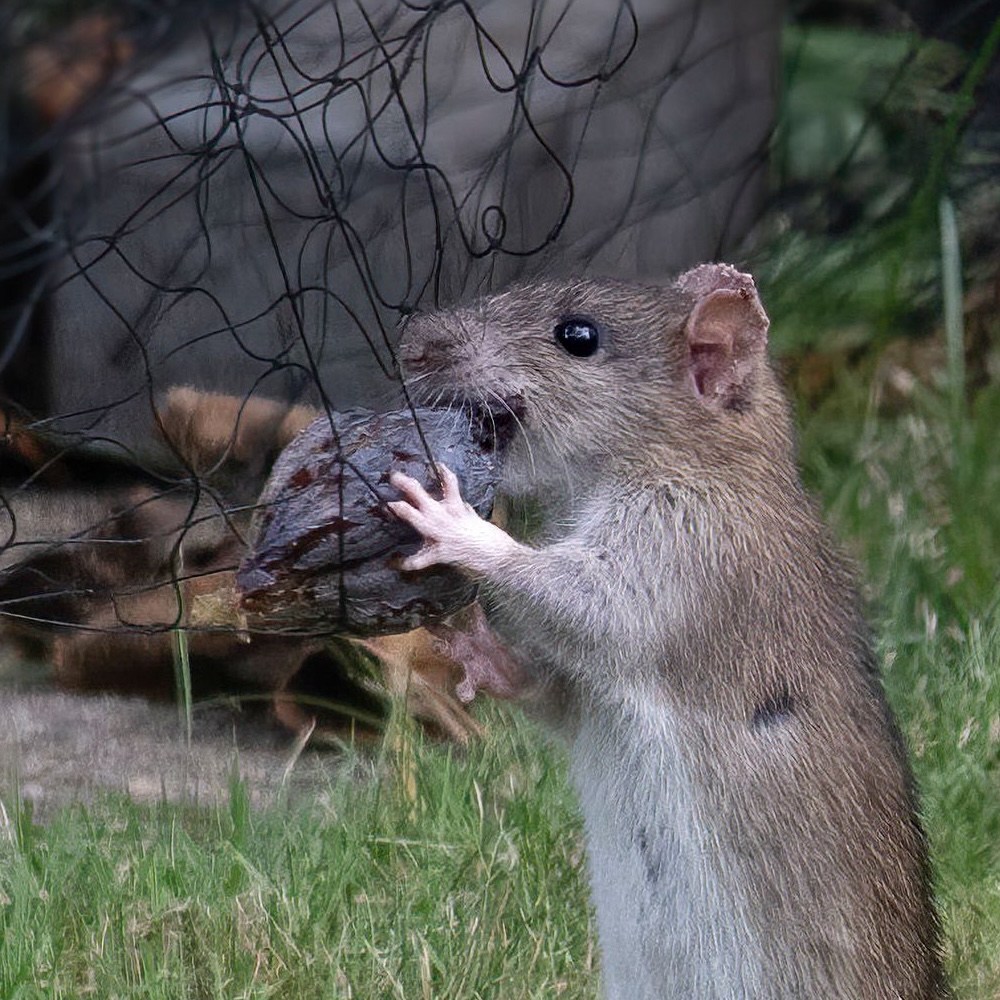
Rats are omnivores and eat almost everything, ranging from fruits, vegetables, seeds, and grains to meat scraps, insects, eggs and more. Because they’re scavengers with a strong sense of smell, rats often search through waste bins in search of food scraps, and will even eat pet food if it is accessible. There are 2 species of rats in the UK: brown rats and black rats. Both species are omnivores but brown rats tend to be found more in areas where humans are, so they often scavenge meat and sweet foods more than black rats.
What Do Mice Eat?
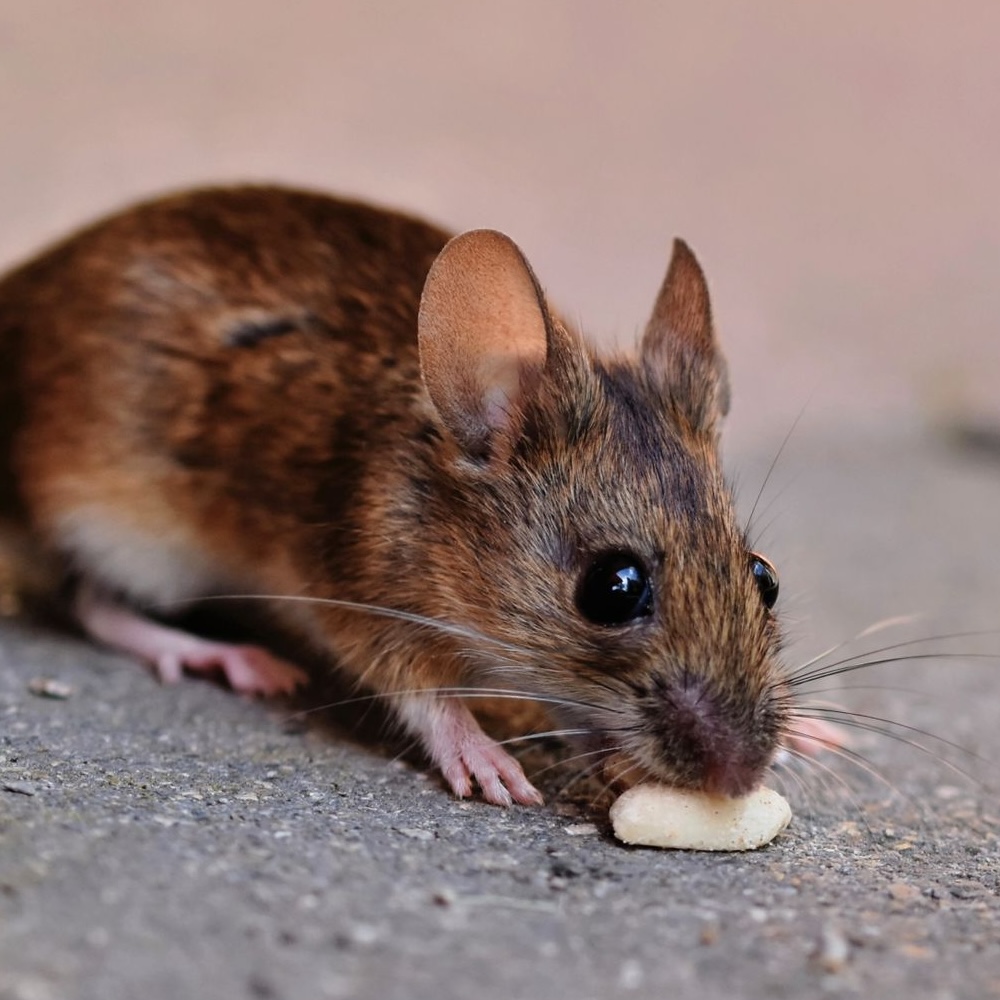
The most common wild mice are house mice, which eat almost everything, just like rats. House mice eat grains, cereals, plants, vegetables, fruits, insects, snails, carrion and meat scraps. Most wild mice are scavengers, except for harvest mice, which live primarily in fields and mostly eat grains, cereals, plants and some insects. While the stereotype is that mice love cheese, peanut butter is often a great way to attract mice, as they like the salty taste.
What Do Squirrels Eat?
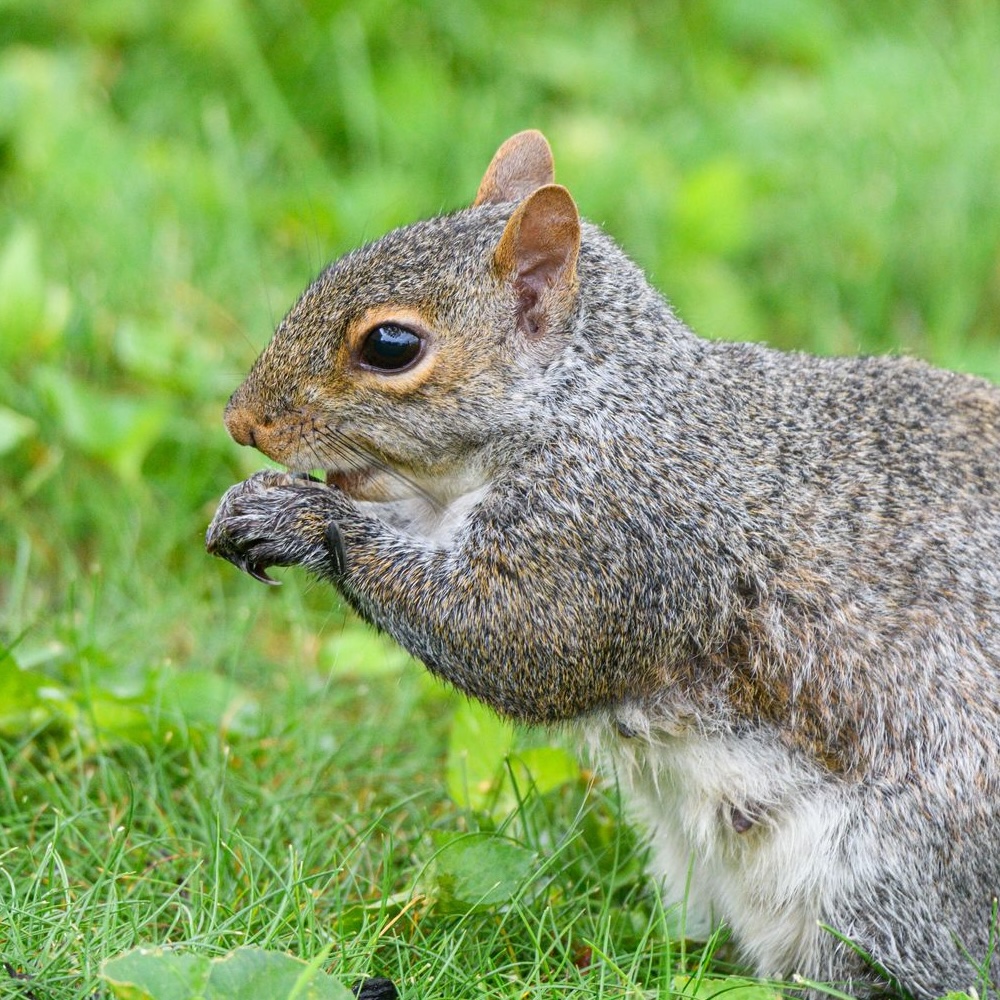
While squirrels are also omnivores, they primarily eat plants, with their diet focusing on cereals, grains, nuts and seeds. As they are tree dwellers, squirrels mostly eat items they can find in trees, such as seeds and nuts or sometimes bird’s eggs, but will venture down to scavenge and will eat carrion or insects if plant food is scarce. There are 2 species of squirrels in the UK. Native red squirrels are smaller than invasive grey squirrels, and red squirrels can’t ingest tannins, meaning they struggle to eat unripe green acorns. Grey squirrels can eat these acorns, meaning they can take food sources from red squirrels, which have to wait for the acorns to fully ripen.
How To Avoid Attracting Rodents
While you might not mean to, you might accidentally be attracting rodents. Some foods attract rodents more, and some situations can mean you’re more likely to get rodents in your garden, which can then lead to them seeking shelter in your home.
Some simple ways to avoid accidentally attracting rodents include:
- Secure Waste Bins: Make sure food waste is stored in thick plastic bins, or metal cans, and that you get your bins emptied regularly to avoid accidentally attracting rodents. Also, if you see gnaw marks on your bins, make sure you replace them immediately with stronger bins. Rats, which are strong scavengers, are neophobic and are scared of unknown objects, so consider moving your bins around to put them off.
- Store Pet Food Correctly: Pet food often attracts rodents, especially chicken feed, so make sure pet foods are stored in sealed containers and kept inside sheds, garages or your house. If you keep poultry in your garden, make sure that you clear away uneaten food and secure your bird run to prevent rodents from gaining entry.
- Use Secure Bird Feeders: Open bird feeders are essentially ‘rat magnets’, which attract rodents as well as wild birds, so make sure that you use secure mesh feeders. If any seeds or nuts fall from the bird feeder, make sure they are cleared away quickly. If secure feeders don’t work, consider removing them completely to keep rodents away.
- Remove Fallen Fruit: If you have fruit trees in your garden, make sure that you remove them quickly, as fresh fruits are a favourite food of rodents and sweet foods attract them. Additionally, fallen fruits can attract other pests, such as cockroaches and ants, so it’s worth removing them as quickly as you can.
- Clean Away Food Scraps: Rodents enjoy both sugar and salt, and will eat processed human foods as well as natural items. So, when you have a BBQ or a garden picnic in the summer, make sure that you clear away all debris and leftovers quickly, as these could attract hungry rodents.
Book Professional Rodent Control
As shown, pest rodents found in the UK will eat practically anything, and are tenacious in their pursuit of reliable food sources.
Therefore, it’s vital that you’re vigilant and work to avoid accidentally attracting rodents to your garden or into your property to protect you and your loved ones from diseases spread by rodents and the structural damage they can cause.
Thankfully, for homeowners and also businesses across Cheshire, Pest In Peace is here to help. We’re RSPH level 2 certified, with access to pest control products that aren’t available to the general public.
Our extensive rodent control qualifications, combined with our knowledge of rodent behaviour, means that we can effectively eliminate rodents and carry out rodent proofing to prevent future infestations.
As well as rodents, we can also remove all vermin, including bed bugs, fleas, cockroaches, wasps, bees, moles, foxes, birds and more.
That’s why we’re the only pest control provider you need in the Cheshire area for all your rodent and pest control needs.
To book professional rodent treatment and get expert advice on how to stop rodents permanently, contact us on 07980 597423.
About The Author
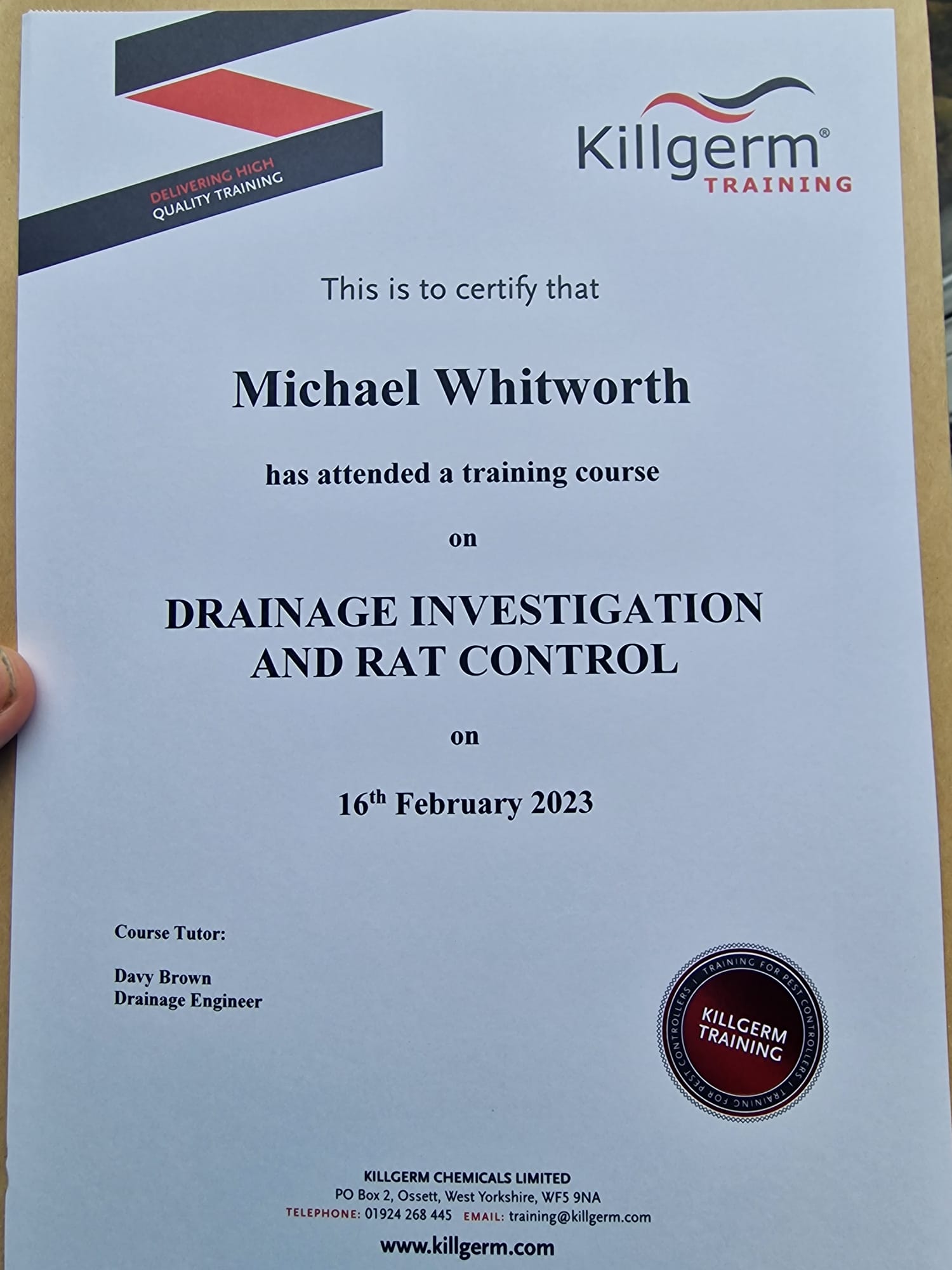
Mike Whitworth is the founder of Pest In Peace and specialises in wasp control. He’s highly experienced in carrying out pest control for all species and holds several qualifications, including a level 2 RSPH award and training to use Selontra®. He also holds a level 2 award in overall pest management from the RSPH and has attended training courses on many topics, including drainage investigations for rodent control. Learn more on our About Us Page.