
 by hannah
Do Squirrels Hibernate?
Squirrels are a common sight throughout the UK, whether it’s the native red squirrels with their fuzzy ears or the invasive grey squirrels that you see more often.
Something you may have noticed is that you often see squirrels more often in the summer. In the winter, they’re often less active, which might beg the question: do squirrels hibernate?
The short answer is no, squirrels don’t hibernate. For more information from our experienced squirrel control experts, keep reading.
Why Don’t Squirrels Hibernate?
The reason squirrels in the UK don’t hibernate is that the species in this country aren’t genetically built to hibernate. Both red and grey squirrels are known as tree squirrels, meaning they live predominantly in nests in trees, which keep them safe from predators and allows them to find fresh food.
Other squirrels, known as ground squirrels, hibernate in burrows underground to protect them from the elements. These species are usually found in the Artic, the United States and other harsh environments.
Tree squirrels aren’t able to store enough fat reserves to last the whole winter without food. Instead, tree squirrels nest throughout the winter, eating stored food and breeding.
How Do Squirrels Survive Winter?
While squirrels don’t hibernate, you may not notice them as much during winter as you do in the warmer months.
That’s because squirrels spend most of winter resting in their nests, and will have stores of food nearby. Since they spend most of autumn foraging, they won’t need to be as active during winter.
In the UK, the first squirrel breeding season runs between December and February, so many squirrels will spend their time mating and caring for their young.
Where Do Squirrels Live In Winter?
Both red and grey squirrels spend the winter months alternating between sleeping and eating, and spend much of their time in their nests, known as dreys.
These nests are usually built in high places, such as in trees, and are round, unlike bird nests, and made from twigs and other soft materials.
In some cases, squirrels will use hollowed-out tree branches to sleep in, as these offer ready-made nesting spaces.
If squirrels can’t find a safe space in the trees to rest, they will look for somewhere warm and sheltered, often choosing attics, garden sheds or garages.
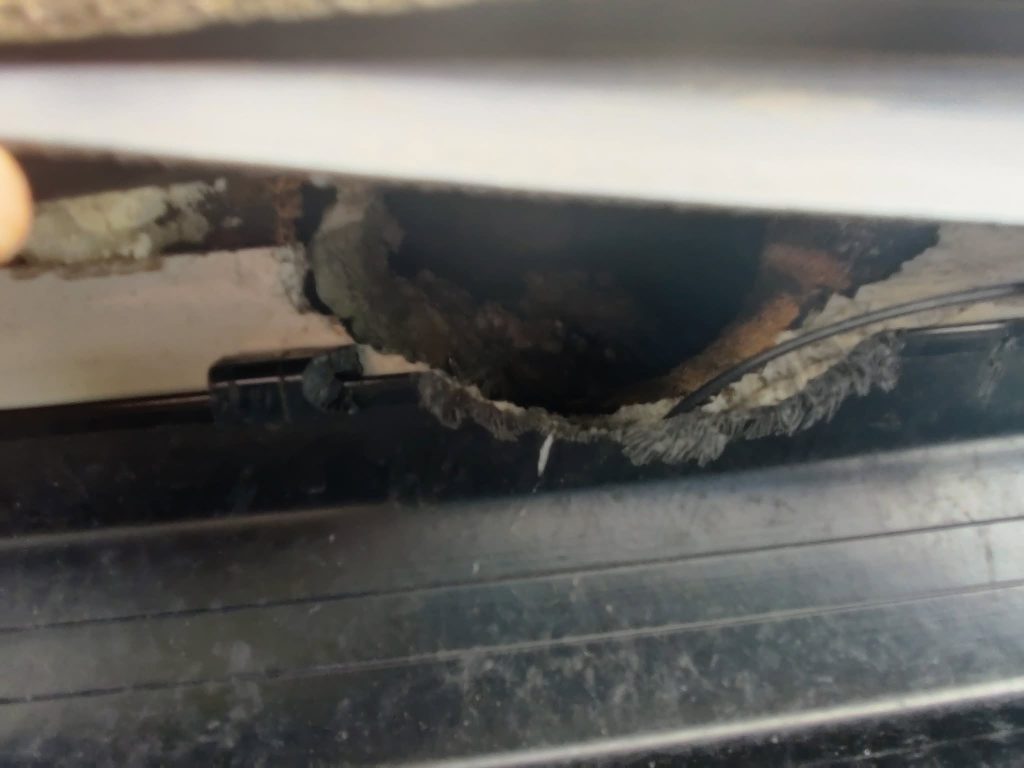
Loose roof tiles and gaps in your property’s facade can allow them to enter and build nests inside your property, using soft items such as shredded loft insulation to stay warm.
What To Do If Squirrels Make Your Attic Their Home This Winter
Squirrels might seem cute, but if squirrels build a nest in your loft space it can cause significant issues. Squirrels are highly destructive, and can cause structural issues as they make their way into your property.
Like other rodents, such as rats and mice, squirrels have incisors that never stop growing, meaning they need to chew regularly to keep them at a manageable size. This means they often gnaw on beams, walls and other parts of your home, which can cause structural damage that requires costly repairs. In some cases, squirrels can even cause a fire hazard if they bite through live wires.
Having squirrels live in your property can also be a health risk, as squirrels carry diseases that can spread to humans and pets. These large rodents can also be noisy and disturb you, particularly during the night while you’re trying to sleep.
If you’ve noticed signs of squirrel activity in your home, then you need to be proactive. Squirrels can be highly destructive, and aggressive if they feel cornered.
As red squirrels are legally protected by the Wildlife and Countryside Act 1981, whereas grey squirrels are classed as pests, you need to make sure that you work with a professional pest controller to protect your property from squirrel ingress.
It’s important that you work with Pest In Peace to ensure that the law is observed and that squirrels are removed completely. Squirrels aren’t just found in the countryside, but can also make their way into urban areas in search of shelter, and once they’ve make their nest in your property they will stay there throughout the winter, and may only leave in the spring or early summer.
Our team can identify the squirrel species you’re dealing with and provide legal removal of grey squirrels. Using humane traps, we can remove and dispatch them without causing unnecessary suffering.
To book professional squirrel control across Wilmslow, Macclesfield, Stockport, Congleton, Cheshire and the surrounding area, contact us on 07980 597423.