
 by hannah
How To Get Rid Of Moths
Moths flying around your home isn’t always a cause for concern. There are over 2500 different moth species in the UK, and most of them don’t cause any issues to humans.
The problems come if you encounter certain species, such as the common clothes moth, also known as carpet moths, or the case bearing clothes moth. Both species eat natural fibres such as wool, leather, cotton, velvet and silk, as they contain a specific protein called keratin, which helps the moth larvae grow and pupate.
Another pest moth species is the Indian meal moth, also known as pantry moths. Pantry moths eat dried foods, such as grains, rice, wheat and dried fruits, meaning they can contaminate food and spread bacteria.
If you’re dealing with any of these pest moth species, it can be hard to get rid of them. Thankfully, Pest In Peace has extensive experience carrying out moth control across Wilmslow, Macclesfield, Stockport, Congleton, Cheshire and the surrounding area. That’s why we’ve put together this guide on how to get rid of moths permanently.
What Attracts Moths?
Like most pests, moths are attracted primarily to shelter and food. As such, adult moths will fly into homes through open windows or doors in search of natural fibres or dried food. While artificial light, such as bright light bulbs, might draw them inside, they will only stay if they find what they need to survive and breed.
If they find food, and a dark space to shelter, adult moths will fly into a property and lay eggs. While adult moths might be the most noticeable, it is moth larvae that hatch from the eggs that are the most destructive. The moth larvae need lots of protein to pupate and become adults, so they will eat almost constantly until they spin their cocoons.
Issues Caused By Pest Moths
In most cases, moths are completely harmless, and won’t cause any issues. However, pest moth species, such as clothes moths and pantry moths can cause significant problems, including:
- Property Damage: Clothes moths can cause significant destruction, leaving bare patches on carpets, curtains, blankets, cushions, soft furnishings and clothing. Natural materials are often more expensive and harder to repair than their synthetic counterparts, so this damage can be costly to fix.
- Food Contamination: Indian meal moths eat dried foods, and can contaminate food and spread bacteria.
- Allergic Reactions: Silk tunnels, moth eggs and other debris can trigger asthma symptoms and allergies in some people.
- Distress: Moths flying around your property and regular destruction of clothing and furniture can be distressing for homeowners.
- Reputation Issues: For businesses and even particularly house proud homeowners, a moth infestation can make your space appear dirty and unwelcoming. For food service businesses, pantry moths can be a particular issue, as they can lead to public health problems and even your business being shut down by the local authorities.
The Importance Of Professional Moth Control
While DIY moth control might seem like an easy way to reduce costs, it is often ineffective against moths. However, the chemicals in the products used can be toxic to pets, children and non-target species. Also, if you mistook the pest activity for moths, but the problem was actually carpet beetles or stored product insects, then you might find that you use ineffective methods.
Working with professional pest control companies like Pest In Peace can ensure that you get the right treatment for your pest problem. Our team are RSPH level 2 certified, with access to moth control products that aren’t available to the general public. We also have extensive experience controlling moths, which means we can deal with moth infestations of all types and sizes.
In some cases, it might take time to discover the food source the moths are using, and this requires skill, experience and perseverance. Over the years, Pest In Peace has found moths in a range of strange places, including inside a piano. Because the hammers and rests within the piano are made from 100% woven wool, the moth larvae were able to eat and hide in the interior of the piano, which was dark and largely undisturbed.
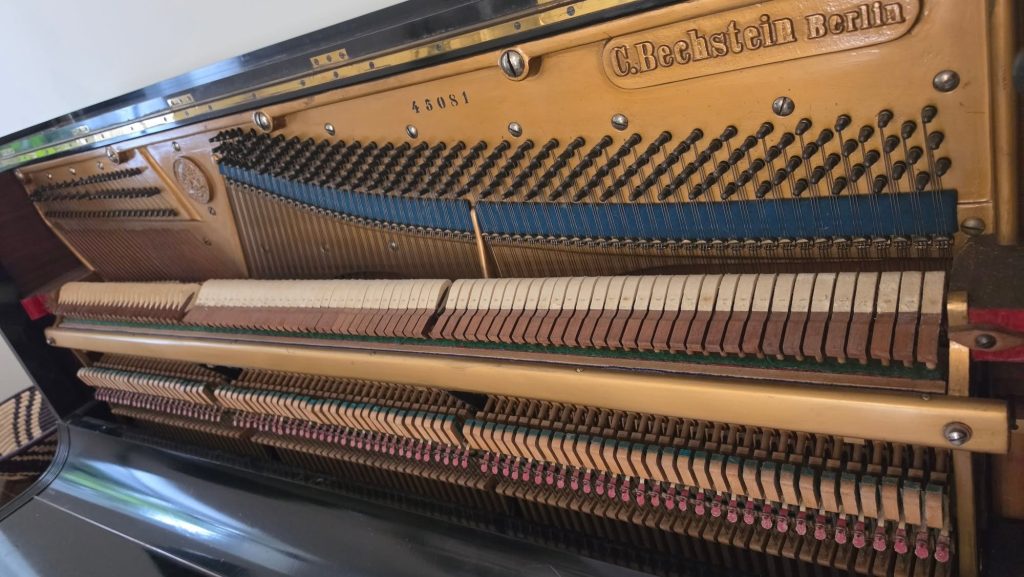
Working with experts like us means that you can quickly find all moths at all life cycle stages and get rid of them before they cause extensive property damage or contaminate food cupboards.
How To Prevent Moths
While it is impossible to full prevent moths and other flying insects, there are some simple techniques you can use to repel moths and reduce your chances of a future moth infestation.
- Fit Fly Screens: If you like to keep your windows open, especially in the summer months, but don’t want moths to fly in, then fitting a fly screen can stop moths and other species of flying insect from gaining entry.
- Seal Holes In Your Home’s Exterior: As well as windows and doors, moths can also use small cracks and crevices in your home’s exterior to gain entry, so make sure you seal these.
- Store Food In Airtight Containers: The best way to avoid attracting moths is to reduce their access to potential food sources. As such, you should make sure all food cupboards and preparation surfaces are kept free from crumbs, and that your food is sealed in airtight containers.
- Make Sure Wardrobes Are Secure: Check that your wardrobe doors fit, and that any natural fabric storage areas are sealed. If necessary, store some items in vacuum sealed bags to keep them safe.
- Keep Your Property Tidy: Dead skin from rugs, carpets and other fabrics can also be eaten by moths, so make sure you regularly dust and hoover your property, and that you wash natural fabrics regularly to protect them from moth damage.
- Consider Natural Deterrents: While there is no guarantee, there is anecdotal evidence to suggest that certain strong scents, such as lavender, cedar wood or citrus can repel moths, so consider putting sachets into drawers and wardrobes or using diffusers. The worst that will happen is that your home smells nice, but that moths still gain entry, so make sure you use these other methods and be proactive if you notice signs of moth activity.
How To Get Rid Of Moths: Conclusion
Ultimately, to get rid of a moth infestation, you need to book professional moth control. Pest In Peace can eliminate moths and provide expert guidance tailored to your property that will reduce the chances of future infestations.
Moths are irritating in domestic properties, but they can be devastating for businesses and cause lasting reputational damage. Thankfully, Pest In Peace offers moth control as part of our commercial pest control services, and can work to implement preventative measures that will stop moths from causing havoc on your premises.
Alongside moths, we also remove ants, bed bugs, fleas, flies, bees, wasps and other insects, as well as rodents and wildlife.
So, as soon as you see signs of moth activity in your Cheshire home or business premises, you need to contact us on 07980 597423 to book your mole control visit.